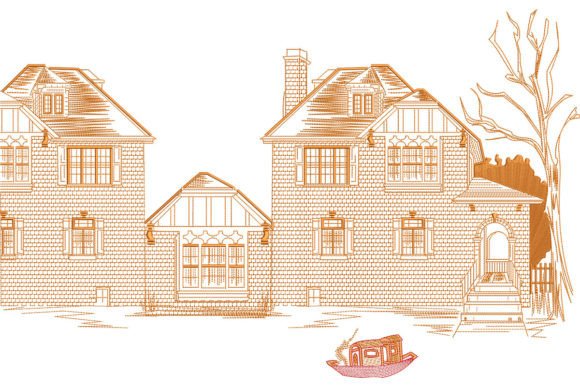
Review: House with Tree on the Bank of River
As a designer who has spent countless hours digitizing and testing machine embroidery designs, I approach every new file with a mix of curiosity and skepticism. We have all been there: you download a design that looks breathtaking in the preview image, only to find it turns into a tangled mess of thread breaks and puckering once it hits the fabric. That is why I took a close look at the House with Tree on the Bank of River embroidery design. This piece promises a serene, rustic aesthetic, but does it hold up under the needle? After evaluating its structure, potential applications, and technical requirements, I am ready to share my practical insights for fellow crafters, Etsy sellers, and embroidery enthusiasts.
First Impressions: Mood and Visual Personality
The first thing that strikes you about the House with Tree on the Bank of River is its narrative quality. It is not just a random collection of shapes; it tells a story of tranquility. The composition typically features a cozy dwelling nestled beside flowing water, anchored by the organic lines of a tree. For those of us working in the Floral category or nature-inspired Embroidery niches, this design offers a balanced layout. It avoids the clutter that often plagues landscape designs, focusing instead on clean lines and recognizable silhouettes.
The visual personality here is calm and inviting. It evokes feelings of retreat and comfort, making it an ideal candidate for home decor or personalized gifts. However, from a technical standpoint, the interplay between the rigid geometry of the house and the fluid curves of the river and tree branches requires careful digitizing. A poorly digitized version would struggle with transition points, but a well-crafted file should handle these changes in direction smoothly, minimizing jump stitches and ensuring a professional finish.
Real-World Application: From Digital File to Finished Product
To truly understand the value of this design, we must look beyond the screen and imagine it stitched out. I recently considered using this motif for a custom tote bag project for a local boutique. The House with Tree on the Bank of River worked exceptionally well in this context. The horizontal nature of the scene fits perfectly across the front panel of a standard canvas tote. When stitched with earthy thread colors—think moss greens, slate blues, and warm browns—the design elevated a simple cotton bag into a high-end handmade product.
Beyond tote bags, this design shines in several other areas:
- Sweatshirt Embroidery: Placed on the left chest or as a larger back piece, it adds a sophisticated touch to casual wear. The detail level is sufficient to be interesting from a distance but not so dense that it stiffens the fabric uncomfortably.
- Nursery Decor: For baby embroidery projects, such as pillow covers or wall hangings, the gentle imagery is perfect. It creates a soothing atmosphere without being overly juvenile.
- Kitchen Textiles: Imagine this stitched onto a linen tea towel or an apron. It brings a cottage-core vibe that is currently very popular among small shop products and craft fair attendees.
- Embroidered Patches: If you are creating patches for hats or jackets, this design’s self-contained shape makes it an excellent candidate. It frames well within circular or rectangular borders.
For Etsy sellers and digital product sellers, this design offers versatility. It can be marketed as part of a nature collection, appealing to customers looking for holiday embroidery patterns for winter gifts or spring-themed refreshes. The key is presenting it in a way that highlights its adaptability.
Technical Considerations and Stitching Performance
While the aesthetic appeal is strong, the technical execution is where many designers stumble. When working with the House with Tree on the Bank of River, you must pay attention to stitch density. Landscape designs often tempt digitizers to use heavy fill stitches to create depth in the water or foliage. However, excessive density can lead to fabric distortion, especially on lighter materials.
I recommend checking the stitch count and density settings before loading your embroidery file. If the design relies heavily on satin stitch for the tree trunk or house outlines, ensure your tension is calibrated correctly to prevent looping. For the river elements, running stitch or light fill stitch techniques are preferable to maintain flexibility. Always use a appropriate stabilizer. For woven fabrics like cotton or linen, a cut-away stabilizer provides the necessary support for detailed areas, while tear-away might suffice for simpler applications on stable fabrics.
Fabric texture also plays a crucial role. On textured fabrics like terry cloth or fleece, fine details may get lost. In such cases, consider simplifying the color palette or increasing the size of the design slightly to ensure clarity. Conversely, on smooth, high-thread-count fabrics, the delicate precision of the design will truly shine, showcasing the contrast between the different thread colors.
Where to Use Caution
Not every project is a good fit for this specific motif. Here are scenarios where you should proceed with care:
- Small Hoop Sizes: If you are restricted to a 4x4 inch hoop, the details of the house and tree may become too compressed. Tiny elements can merge, losing the definition that makes the design attractive. Always check the minimum recommended hoop size provided with the digital embroidery file.
- Stretchy Fabrics: Knits and jersey materials require extra stabilization. Without proper hooping and backing, the pull of the stitches can cause the fabric to pucker around the house and tree lines.
- Dark Fabrics: If stitching on black or navy, ensure your thread colors have enough contrast. You may need to adjust the design or add a underlay to prevent the dark fabric from showing through lighter stitches.
- Curved Surfaces: While possible on caps, the horizontal layout of the riverbank might distort on highly curved surfaces unless the design is specifically digitized for headwear.
Enhancing Brand Value and Customer Trust
For commercial embroidery and small business owners, the choice of design directly impacts brand perception. Using a high-quality, well-balanced design like House with Tree on the Bank of River signals professionalism. Customers can spot sloppy stitching and poor design choices from a mile away. A clean, crisp finished product builds trust and encourages repeat business.
When creating printable mockups or promotional images for your online store, ensure the lighting highlights the texture of the stitches. Show the design on various items—a mug wrap, a throw pillow, a tote—to demonstrate its versatility. This helps buyers visualize the personalized gift potential, increasing conversion rates. Remember, you are not just selling an embroidered item; you are selling the feeling of warmth and nature that the design embodies.
Practical Designer Notes for Success
Before you commit to a large production run or a high-stakes client project, follow these steps:
- Test on Scrap Fabric: Always stitch a sample on the same type of fabric you intend to use for the final product. This allows you to check for thread breaks, tension issues, and color accuracy.
- Check Thread Color Contrast: View your design in black and white on your computer screen. If the elements blend together, you may need to adjust your thread choices to ensure each part of the house, tree, and river is distinct.
- Verify Licensing: If you plan to sell finished items or use the design in commercial products, confirm the license terms. Some digital embroidery files are for personal use only, while others allow for small business commercial use.
- Inspect Small Details: Zoom in on the preview. Are there tiny, isolated stitches that might cause bird nesting? A good design should minimize these trouble spots.
In conclusion, the House with Tree on the Bank of River is a compelling addition to any embroidery library. It bridges the gap between artistic expression and technical feasibility, offering a versatile option for a wide range of projects. By understanding its strengths and respecting its technical requirements, you can create stunning, professional-quality pieces that resonate with customers and elevate your craft business. Whether you are a hobbyist making a holiday gift or an entrepreneur building a brand, this design offers the potential for beautiful, meaningful results.