Glasses with Eyes: A Designer’s Review for Business Merch
As an embroidery designer who has spent years digitizing files and consulting with small business owners, I have learned that a design is never just a design. It is a brand asset. When I first loaded the Glasses with Eyes machine embroidery design into my software, my immediate reaction was one of cautious optimism. In the world of custom apparel and branded merchandise, whimsy is a powerful tool, but it must be balanced with professionalism. This review explores how this specific embroidery file performs not just as a decorative element, but as a strategic component for small business merch, from café aprons to boutique tote bags.
First Impressions: Visual Personality and Brand Fit
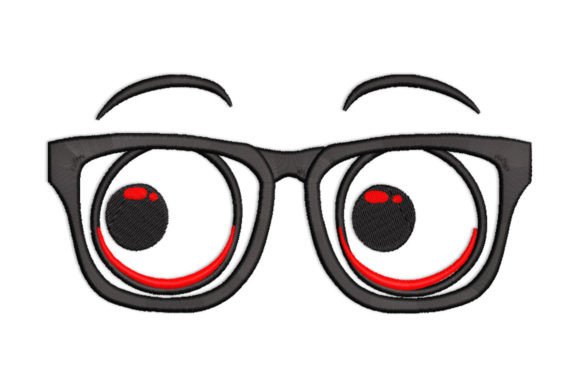
The product description promises a "touch of whimsy and charm," and visually, Glasses with Eyes delivers on that promise. It falls squarely into the playful yet approachable category. For brands in the creative sector—such as independent bookstores, artisanal bakeries, pet supply shops, or graphic design studios—this aesthetic is gold. It signals to the customer that the business is friendly, human, and detail-oriented.
However, for more corporate or high-end luxury brands, this design might feel too casual. The key here is context. If you are selling handmade products or aiming for a "maker" vibe, this design aligns perfectly with your brand identity. It does not scream "premium elegance," but it does shout "creative authenticity." When evaluating this for your own shop, consider whether your target audience responds better to minimalist logos or character-driven graphics. For many Etsy sellers and crafters, the latter drives higher engagement because it feels personal and unique.
Real-World Applications for Small Business Merchandise
The versatility of Glasses with Eyes makes it a strong candidate for various commercial embroidery projects. Here is how I envision this design performing across different product categories:
- Staff Uniforms and Aprons: For a local coffee shop or a florist, embroidering this design on the chest pocket of an apron adds instant personality. It breaks the monotony of standard uniforms and serves as a conversation starter for customers. The whimsical nature of the eyes behind glasses suggests attentiveness and creativity, traits highly valued in service industries.
- Embroidered Patches: This is perhaps the most lucrative application. An embroidered patch allows customers to buy a piece of your brand without committing to a full garment. Because the design is contained and likely has clear boundaries, it translates well to a patch format. You can sell these as add-ons at checkout, increasing your average order value.
- Tote Bag Design: Canvas tote bags are a staple for handmade brands. Placing Glasses with Eyes on a natural cotton tote creates a chic, artistic look. It appeals to shoppers who want to support local businesses while carrying a functional accessory. The contrast of the thread against the textured fabric of a tote bag can enhance the visual depth of the stitch work.
- Cap Embroidery: Using this on the front panel of a dad hat or baseball cap can work, but it requires careful sizing. The design needs to be scaled down to fit the curved surface without distorting. If the details are too fine, they may get lost on the structured front of a cap.
Technical Considerations for Production Quality
While the aesthetic appeal is strong, the technical execution determines whether the finished product looks professional or amateur. As a designer, I always advise checking several critical factors before running a production batch.
Stitch Density and Fabric Texture
The description mentions stitching on towels and pillows, which implies the design can handle some texture. However, when moving to smoother fabrics like polo shirts or tighter weaves like canvas, you must monitor stitch density. If the design is too dense, it can cause puckering, especially on lightweight materials. Always use the appropriate stabilizer. For caps, use a stiff backing; for towels, a cut-away stabilizer is essential to support the loops of the terry cloth.
Thread Colors and Contrast
Since the design features "eyes," contrast is vital. If you are stitching on dark uniforms, ensure the thread colors pop. A common mistake is using low-contrast threads that make the design look muddy from a distance. Test your thread chart against the fabric color. Sometimes, simplifying the color palette can make the design bolder and more recognizable as a logo accent.
Hoop Size and Placement
Before purchasing, verify the hoop size compatibility. The description notes it comes with multiple formats, but you must confirm it fits your machine’s maximum hoop area. For small business merch, consistency is key. If you plan to use this on both left-chest logos and larger back prints, ensure the design scales cleanly without losing definition in the smaller version.
Strategic Branding and Customer Trust
Using a distinctive design like Glasses with Eyes contributes significantly to brand recognition. In a saturated market, visual consistency helps customers identify your products instantly. When a customer sees this whimsical motif on a tote bag, then again on a sticker, and finally on an embroidered patch, it reinforces your brand identity. It tells a story of creativity and attention to detail.
Moreover, high-quality embroidery signals value. A well-stitched design on a durable item suggests that the business cares about quality. This builds trust. For handmade brands, this perception of quality justifies higher price points. Customers are not just buying an accessory; they are buying into the craftsmanship and the personality of the brand.
Practical Designer Notes for Implementation
If you are planning to integrate this embroidery file into your product line, follow these steps to ensure success:
- Test in Black and White First: Before committing to colorful threads, stitch the design in black thread on white fabric. This reveals any issues with spacing, density, or registration without the distraction of color.
- Create a Printable Mockup: Use digital tools to place the design on photos of your actual products. Show this to potential clients or use it for pre-launch marketing. A good printable mockup can validate demand before you produce inventory.
- Check Commercial Licensing: The description mentions it is for embellishing fabrics, but always confirm the license terms. Ensure you have the right to use the digital embroidery file for commercial sales, especially if you are selling the finished product rather than just the file.
- Inspect Small Patch Sizes: If you intend to make small patches, zoom in on the design at 50% scale. Are the eyes still distinct? Do the glasses frames merge? If details disappear, the design may need editing or should only be used on larger items.
- Compare with Other Design Assets: Place Glasses with Eyes next to your existing logo and fonts. Does it clash? Does it complement? Visual harmony across all touchpoints strengthens your overall brand presentation.
Final Verdict for Embroidery Professionals
Glasses with Eyes is a charming addition to any designer’s library, particularly for those serving creative, lifestyle, or hospitality clients. It is not a universal logo solution, but for the right niche, it is a powerful tool for engagement. By paying attention to stitch density, fabric choice, and placement, you can transform this whimsical motif into a premium branded asset. Whether used on an apron embroidery project or as a standout feature on a tote bag design, it offers the handmade appeal that modern consumers crave. Just remember to test thoroughly and respect the technical limits of your machinery to deliver a finished product that truly reflects the quality of your brand.