Honey Jars: A Designer’s Review for Small Business Merch
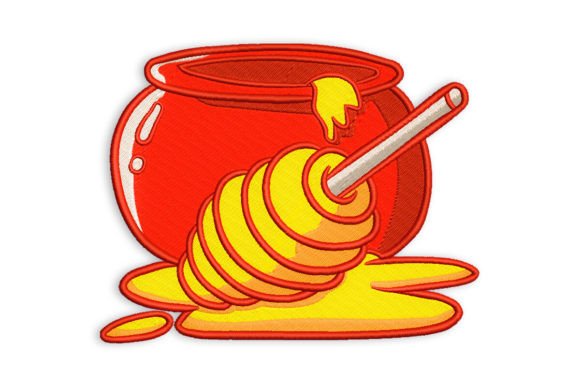
As an embroidery designer who has spent years digitizing and reviewing files for commercial use, I approach every new machine embroidery design with a critical eye. It is not enough for a motif to look cute on a screen; it must perform under the needle, withstand washing, and elevate the brand it represents. Recently, I evaluated the Honey Jars design, a charming illustration of honey pots intended for digital machine embroidery. For small business owners, boutique operators, and craft creators, this review breaks down how this specific asset functions in real-world applications, from staff uniforms to retail merchandise.
First Impressions: Visual Personality and Brand Fit
The immediate appeal of the Honey Jars motif lies in its inherent warmth. In the world of branding, food-related imagery often risks looking generic or overly cartoonish. However, this design leans into a rustic, handmade aesthetic that feels authentic rather than mass-produced. The depiction of the honey pot suggests tradition, quality, and natural ingredients. For a bakery, a local apiary, a florist, or a café, this visual language communicates comfort and artisanal care.
From a design perspective, the balance between detail and simplicity is crucial. If the lines are too thin, they disappear in stitching; if they are too bold, the design loses its charm. Honey Jars appears to strike a middle ground, offering enough definition to be recognizable while maintaining the soft edges typical of high-quality embroidery. This makes it versatile for brands aiming for a premium yet approachable identity. It does not scream "corporate"; instead, it whispers "handcrafted," which is exactly what many modern consumers are seeking.
Real-World Applications for Small Business Merch
The true test of any digital embroidery file is its versatility across different substrates and products. Here is how I envision Honey Jars performing in various commercial contexts:
- Embroidered Patches: This is perhaps the strongest use case. A patch allows for dense stitching and clean edges. Placing the honey pot design on a twill or felt background creates a tactile, premium product that can be sold as standalone merchandise or attached to jackets and bags. It serves as a durable badge of brand loyalty.
- Staff Uniforms and Aprons: For cafés and bakeries, apron embroidery is a subtle but powerful branding tool. Positioning Honey Jars on the chest pocket or lower corner of a canvas apron adds a professional touch. It reinforces the theme of the establishment without overwhelming the customer’s view of the food or service.
- Cap Embroidery: Front-panel caps require designs that are compact and horizontally balanced. If the Honey Jars design has a wide aspect ratio, it fits perfectly here. It transforms a standard uniform cap into a branded asset that employees wear with pride and customers buy as souvenirs.
- Tote Bag Design: Canvas totes are staples for farmers' markets and boutique shops. Embroidering this motif on a tote bag elevates it from a simple carrier to a lifestyle accessory. The texture of the thread against the canvas fabric enhances the rustic feel of the honey pot illustration.
- Product Packaging Accents: Imagine a small ribbon tag on a jar of actual honey or a box of baked goods, featuring this embroidered logo. It adds a layer of perceived value, signaling that the contents are special and carefully prepared.
Technical Considerations and Production Notes
While the aesthetic potential is high, technical execution determines the success of the finished product. As a designer, I advise checking several key factors before running a full production batch.
Stitch Density and Fabric Texture: Honey pots often involve rounded shapes and potentially filled areas. High stitch density can cause puckering on lightweight fabrics like cotton t-shirts. If you are using this on delicate materials, ensure the digitizer has used appropriate pull compensation and underlay stitches. For heavier fabrics like denim or canvas, the density should hold up well, providing a rich, textured look.
Size and Detail Legibility: One common mistake in commercial embroidery is shrinking a design too much. If Honey Jars includes fine details—such as dripping honey or label text on the jar—these elements may merge or break when stitched below one inch. Always test the design at your intended size. If the details vanish, consider simplifying the stitch path or increasing the overall dimensions.
Thread Colors and Contrast: The choice of thread colors will make or break this design. Golden yellows, ambers, and warm browns are obvious choices, but consider how they contrast with the garment. On a dark navy uniform, a bright gold thread will pop beautifully. On a beige apron, you might need a darker outline to ensure the shape is visible from a distance. Always run a test stitch-out to check color interaction.
Stabilizer Selection: Because this is likely a fill-heavy design, proper stabilization is non-negotiable. Use a cut-away stabilizer for garments that will be washed frequently, such as staff shirts. For patches or items that do not stretch, a tear-away may suffice, but cut-away ensures the brand identity remains crisp over time.
Enhancing Brand Identity and Customer Trust
Incorporating Honey Jars into your small business merch strategy does more than just decorate fabric; it builds trust. Consistent visual assets across uniforms, packaging, and retail items create a cohesive brand identity. When a customer sees the same high-quality embroidered honey pot on your apron, your tote bags, and your social media printable mockup, it signals professionalism and attention to detail.
This consistency increases the perceived value of your handmade product. Customers are willing to pay more for items that feel curated and authentic. An embroidered logo feels permanent and substantial compared to a printed vinyl decal. It suggests that your business invests in quality, which translates to trust in your core products, whether that is honey, pastries, or floral arrangements.
Practical Steps Before Commercial Use
Before integrating this embroidery file into your workflow, follow these practical steps to ensure success:
- Verify Licensing: Confirm that the file comes with a commercial license. You must have the right to use the design for profit-generating activities, such as selling patched hats or branded uniforms.
- Check File Formats: Ensure the download includes the format compatible with your machine (e.g., PES, DST, JEF). If not provided, contact the seller before purchase.
- Create a Mockup: Use a printable mockup or digital proof to show clients or stakeholders how the design will look on specific items. This helps manage expectations and secure approval.
- Test on Real Fabric: Never skip the test stitch. Run the design on the exact fabric you plan to use for production. Check for registration issues, thread breaks, or fabric distortion.
- Evaluate Hoop Size: Confirm the required hoop size fits your machine’s capabilities. If the design is large, you may need a multi-position hoop or a larger machine frame.
In conclusion, Honey Jars is a strong candidate for businesses looking to add a touch of rustic elegance to their custom apparel and merchandise. By paying attention to technical details like stabilizer choice, thread contrast, and sizing, you can transform this digital asset into a powerful tool for brand recognition. Whether used on a barista’s apron or a customer’s tote bag, this design has the potential to sweeten your brand’s visual presence and drive engagement through quality craftsmanship.