Review: Christmas Truck Funny Tree Embroidery
As an embroidery designer who has spent years digitizing and testing designs for small businesses, I approach every new machine embroidery design with a critical eye. It is not just about whether the image looks cute on a screen; it is about how that design translates into thread, how it holds up on fabric, and ultimately, how it serves a brand’s identity. Recently, I evaluated the Christmas Truck Funny Tree Decoration to determine its viability for commercial use. This review is tailored for boutique owners, Etsy sellers, apparel decorators, and creative studios looking to expand their holiday merchandise lines.
First Impressions and Visual Personality
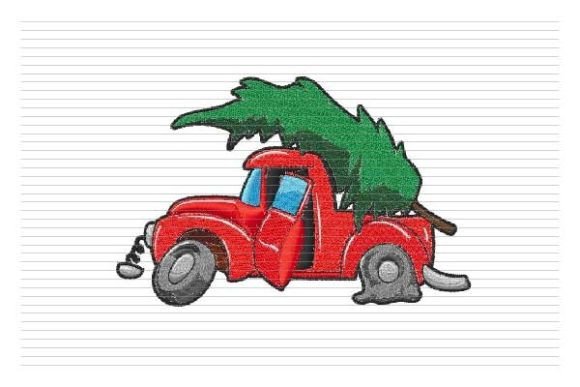
The initial appeal of the Christmas Truck Funny Tree Decoration lies in its nostalgic yet playful aesthetic. In the current market, consumers are drawn to designs that evoke warmth and humor. This design captures that sentiment effectively. It feels rustic and handmade, which aligns perfectly with the trends dominating the handmade product sector. For a small business, this visual personality is crucial. It does not scream "corporate"; instead, it whispers "cozy community."
When reviewing the description, which notes it is perfect on cozy pajamas, Christmas stockings, and home furnishings, I see a versatile asset. However, from a professional standpoint, I look beyond the suggested applications. I ask: Does this work as a branded patch? Can it serve as a chest logo accent on a staff uniform? The answer depends on the clarity of the lines and the balance of the composition. A "funny" element often implies whimsical details, which can be challenging to embroider if the stitch density is too high or the details are too fine.
Real-World Business Applications
For small business owners, particularly those in cafes, bakeries, florists, or pet brands, seasonal merchandise is a significant revenue stream. The Christmas Truck Funny Tree Decoration offers several strategic opportunities for branding.
- Embroidered Patches: This is perhaps the strongest application. A well-digitized truck design can be turned into an iron-on or sew-on patch. Patches are low-risk inventory items that customers love to collect. They can be applied to denim jackets, canvas bags, or even laptop sleeves, extending the life of the design beyond the holiday season.
- Staff Uniforms and Aprons: Imagine a local bakery where baristas wear aprons featuring this design on the pocket area. It adds a touch of festive cheer without being overwhelming. Apron embroidery requires durability, so the design must withstand frequent washing. If the digitization is solid, this becomes a walking advertisement for your brand’s holiday spirit.
- Tote Bag Design: Canvas tote bags are staples for boutique retail. Placing this design on a natural cotton tote creates an instant gift-with-purchase item or a premium add-on. The contrast of colorful thread against neutral fabric usually yields high visual impact.
- Cap Embroidery: Front-panel cap embroidery is tricky due to the curved surface and limited space. If the truck design is compact, it could work beautifully on a dad hat or beanie. However, wide designs may distort on the curve, so careful sizing is essential.
Technical Considerations for Production
Before adding any digital embroidery file to your production queue, you must assess technical constraints. The description mentions that the design comes with multiple embroidery file formats, which is a positive sign for compatibility with various machines. However, specific technical details like exact stitch count, recommended hoop size, and underlay settings are not explicitly provided in the brief overview. This means due diligence is required.
Stitch Density and Fabric Texture: Whimsical designs often feature varied fill areas. If the stitch density is too high, the fabric may pucker, especially on lighter materials like pajama fabrics or thin tote bags. Conversely, if the density is too low, the backing material might show through, ruining the finished product. I always recommend testing the design on the actual fabric you intend to use. Fabric texture plays a massive role in how the threads sit. A fluffy towel will swallow small details, while a smooth twill will highlight them.
Stabilizer Selection: For items like caps or structured bags, a cut-away stabilizer is often necessary to maintain shape. For softer items like stockings or pajamas, a tear-away might suffice, but only if the design is not too dense. Using the wrong stabilizer can lead to a stiff, uncomfortable finished product, which hurts brand perception.
Thread Colors and Contrast: The "Christmas" theme implies reds, greens, and whites. However, for brand consistency, you might want to adapt the thread colors to match your company palette. Test the design in black and white first. If the design loses its definition without color, it relies too heavily on hue rather than form. A strong design should be recognizable even in monochrome.
Brand Identity and Customer Trust
Using a cohesive design like the Christmas Truck Funny Tree Decoration strengthens your brand identity. When customers see consistent, high-quality embroidery across your social media, packaging, and products, it builds trust. It signals professionalism and attention to detail. A sloppy embroidery job, on the other hand, can damage credibility.
This design can enhance customer engagement by creating shareable moments. People love posting photos of unique, handmade items on social media. A clever, funny truck design on a mug rug or a pillow cover is more likely to be photographed and tagged than a generic snowflake. This organic marketing boosts your visibility without additional ad spend.
Where to Use Caution
While versatile, this design is not suitable for every application. Avoid using it on items that require extreme durability unless you have confirmed the stitch quality. For example, heavy-duty work shirts that undergo industrial laundering may cause finer details to fray over time. Additionally, be cautious with tiny lettering if the design includes text. Small text often becomes illegible when embroidered, especially on textured fabrics.
Also, consider the scale. If you shrink the design too much for a small patch or a child’s garment, the details may merge. Always create a printable mockup at the actual size to check for clarity before stitching.
Practical Designer Notes for Implementation
- Verify Licensing: Before using this for commercial embroidery projects, confirm the license terms. Ensure you have the right to sell finished products made with this file.
- Check File Formats: Ensure the provided files are compatible with your specific embroidery machine software. Common formats include PES, DST, and JEF.
- Test on Scrap Fabric: Never run a new design on final merchandise first. Use scrap fabric of the same type to test tension, density, and registration.
- Review Hoop Size: Confirm the design fits within your standard hoops. If it requires a large hoop, calculate if that increases your production time or material waste.
- Create Client Mockups: If you are doing custom work, use the design in digital mockups to get client approval. This manages expectations and reduces revisions.
In conclusion, the Christmas Truck Funny Tree Decoration is a promising asset for small business merchandising. Its playful nature fits well with current consumer desires for authentic, cozy holiday items. By paying attention to technical details like stabilizer choice, thread contrast, and fabric suitability, you can transform this digital file into a high-value physical product. Whether used for branded patches, festive aprons, or unique tote bags, this design has the potential to enhance your holiday sales and strengthen your brand’s visual story. Always prioritize quality control and testing to ensure every stitched item reflects the professionalism of your business.