In-the-hoop Pillows: A Designer’s Review for Craft Fairs
As an embroidery designer who has spent countless weekends behind a booth table, I know that the difference between a browsing customer and a buying customer often comes down to one thing: tangible quality. When I first reviewed the In-the-hoop Pillows design set, my immediate thought was not just about the stitching, but about the final product’s presence on a display table. In a sea of flat items like tea towels and patches, a three-dimensional object commands attention. This review focuses on how this specific machine embroidery design performs in a real-world retail environment, specifically for craft fair sellers, Etsy shop owners, and handmade boutique makers.
First Impressions: Versatility Meets Professional Finish
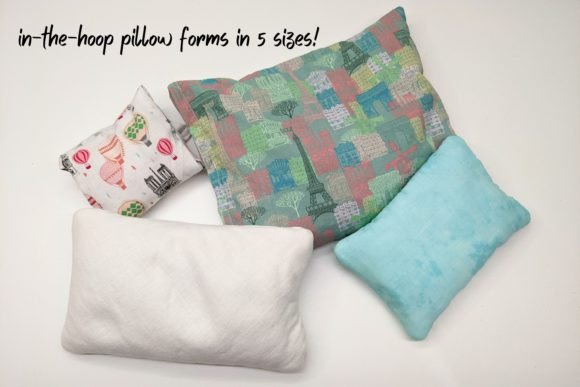
The concept of In-the-hoop (ITH) projects is not new, but execution varies wildly. What stands out with this particular set is the promise of five distinct sizes. For a small shop product, variety is crucial. It allows you to create a cohesive collection rather than a single isolated item. My initial impression is that these pillows lean towards a premium, handmade aesthetic. They are not just stuffed sacks; they are structured, finished goods that signal high effort and high value.
When placed alongside other common craft fair products like tote bags, aprons, and caps, the ITH pillows serve as excellent anchor pieces. They add depth to your display. While a flat embroidered patch might get lost in a busy bin, a plush pillow invites touch. The tactile nature of the Bedroom category products means customers are more likely to pick them up, feel the fabric, and inspect the stitching quality up close. This engagement is vital for converting interest into sales.
Production Practicality for the Busy Maker
For any embroidery business owner, time is money. The description notes that you cut out, turn, fill, and sew them closed. This workflow is efficient, but it requires precision. From a production standpoint, the ability to add your favorite designs to these blank DIY pillows is a massive advantage. It means you are not locked into a single motif. You can create seasonal collections—think floral springs, rustic autumns, or festive holidays—using the same underlying pillow structure.
However, batch production requires consistency. Because there are five sizes, you must be meticulous about your hoop size and stabilizer choices. A design that looks crisp in a large hoop might pucker if the stabilizer is too light for a smaller version. I recommend testing each size on scrap fabric before committing to your final fabric cuts. Check the stitch density carefully. If you are using a dense fill for your custom center design, ensure the pillow fabric can support it without distorting the shape of the ITH border.
Visual Appeal and Booth Display Strength
How does this design perform visually? In a crowded market, clarity is key. The ITH pillow acts as a frame for your creativity. If you are an Etsy seller, this format photographs beautifully. The three-dimensional shape creates natural shadows and highlights that flat items lack. Using a printable mockup can help you visualize listings, but nothing beats a real photo of the finished product on a styled bed or sofa.
Consider the thread colors. Since the pillow itself is a canvas, high-contrast thread colors for the border stitching can define the shape sharply against the fabric. If you choose tonal threads, the look becomes more subtle and elegant, appealing to buyers looking for minimalist decor. The visual appeal here drives buyer engagement. A well-stitched ITH pillow suggests that the maker cares about details, which justifies a higher price point compared to mass-produced imports.
Navigating Fabric and Technical Challenges
While the design is versatile, there are careful-use notes every designer should heed. The success of an ITH project relies heavily on fabric texture and weight. Thick fabric can make turning the pillow right-side out difficult, leading to bulky corners. Conversely, fabric that is too thin may show the stabilizer or filling through the stitches. I advise using medium-weight cottons or linen blends for the best balance of structure and softness.
Another critical factor is the center design you choose to add. Tiny details and small lettering can lose clarity if the pillow is small or if the fabric texture is coarse, such as with textured towels or heavy canvas. If you plan to use this for commercial embroidery products, ensure your center graphics are bold enough to be seen from a distance. Dense stitch areas in the center design must be balanced with adequate stabilizer to prevent puckering, which can ruin the smooth look of the pillow face.
Furthermore, always confirm commercial licensing before selling finished products. While the digital embroidery file allows for creation, you must ensure your usage rights align with your business model. This is standard practice for any professional using design assets from third-party creators.
Strategic Selling for Handmade Markets
Where do these pillows fit in your product lineup? They are ideal as standalone gifts or as part of a curated set. Imagine pairing a small ITH pillow with a matching tote bag design or apron embroidery. This cross-selling strategy increases the average order value. For craft fair sellers, these pillows can serve as premium upsells. A customer buying a simple embroidered patch might be tempted to upgrade to a full pillow featuring similar artwork.
For online sellers, the five sizes allow for tiered pricing. You can offer a small accent pillow as an entry-level product and larger sizes as premium home decor items. This flexibility helps capture different segments of your audience. Additionally, because these are DIY-friendly in terms of customization, you can offer personalization services. Adding a monogram or a name to the center design transforms a generic item into a personalized keepsake, significantly boosting its perceived value.
- Test on scraps: Always run a test stitch on your chosen fabric to check tension and density.
- Check contrast: Ensure your thread colors stand out against the fabric for maximum visual impact.
- Review spacing: Leave enough margin for the ITH seam allowance to avoid cutting into your design.
- Confirm hoop size: Verify that your machine can handle the largest size in the set comfortably.
- Use proper stabilizer: Match the stabilizer weight to the fabric type to prevent distortion.
Final Verdict for Creative Entrepreneurs
The In-the-hoop Pillows design set is a strong contender for any embroidery business looking to expand beyond flat goods. It offers a blend of practicality and aesthetic appeal that resonates with modern buyers. The key to success lies in the execution: choosing the right fabrics, optimizing stitch density, and presenting the finished product in a way that highlights its handmade quality.
By integrating these pillows into your broader collection of handmade products, you create a more dynamic and engaging booth or online store. They are not just items; they are opportunities to showcase your skill in Embroidery and your understanding of home decor trends. Whether you are a seasoned vendor or a new Etsy seller, this design provides a reliable framework for creating high-value, sellable goods. Just remember to check the specific file formats and license terms provided with the download to ensure smooth sailing in your production process.