Hanging Flowers: A Designer’s Review for Craft Fairs
As an embroidery designer who has spent countless weekends behind a booth table, I know that not every machine embroidery design translates into a bestseller. Some designs look beautiful on a screen but fail to capture attention in the chaotic environment of a handmade market. Today, I am reviewing Hanging Flowers, a versatile piece from the Bouquets category, specifically through the lens of a craft fair seller and small business owner. My goal is to determine if this design has the visual punch and production practicality needed to drive sales for your handmade product line.
First Impressions and Visual Appeal
The title Hanging Flowers immediately suggests a sense of movement and organic beauty. In the world of Embroidery, floral motifs are perennial favorites, but they must stand out among thousands of competitors. Upon reviewing the description, which notes that this wonderful design can be beautifully embroidered on any fabric, I look for versatility. Does it feel rustic? Modern? Farmhouse?
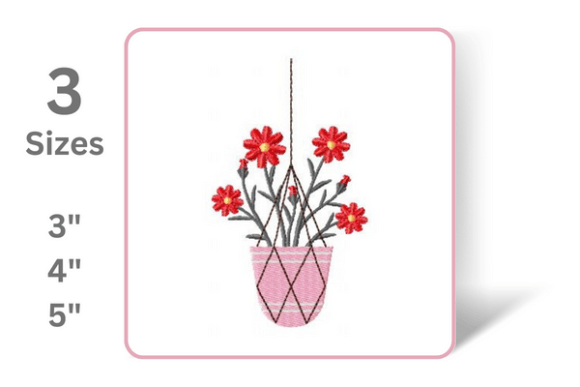
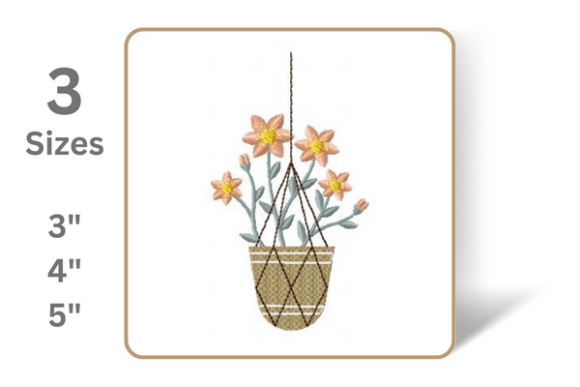
For a weekend craft fair, visual clarity is king. Customers walk past tables quickly. A design needs to be understood at a glance. Hanging Flowers appears to offer a colorful look that can serve as either a bold focal point or a delicate accent. If the design features distinct outlines and vibrant thread colors, it will pop against neutral fabrics like canvas tote bags or linen aprons. The "hanging" aspect implies a vertical composition, which is excellent for items with vertical real estate, such as tea towels or the front panel of an apron.
Product Applications for Maximum Sales
To maximize return on investment, you must pair the right design with the right substrate. Here is how I would deploy Hanging Flowers across a typical craft fair inventory:
- Tote Bags and Market Bags: This is likely your highest volume seller. A large version of the design centered on a natural canvas tote bag design creates an instant statement piece. The floral theme appeals to shoppers looking for eco-friendly, stylish alternatives to plastic bags.
- Apron Embroidery: Kitchenware is a staple at fairs. Placing the flowers on the bib of an apron draws the eye upward. Ensure the hoop size accommodates the width of the bib without stitching too close to the edges.
- Tea Towel Embroidery: For kitchen textiles, scale is critical. If the design is too dense, it may pucker the thin fabric. However, if scaled correctly, it adds a premium touch to simple cotton towels, increasing the perceived value of the finished product.
- Embroidered Patches: If the design holds up at a smaller size, turning it into iron-on patches allows customers to customize their own jackets or jeans. This is a fantastic low-cost impulse buy item.
- Pillow Covers and Home Decor: For home decor, the design can be repeated or used as a central medallion. It adds a soft, decorative element that appeals to buyers refreshing their living spaces.
Production Practicality and Batch Efficiency
When preparing for a fair, time is money. A design that takes ten hours to stitch is not practical for a small shop product line unless you are charging luxury prices. While the specific stitch count is not provided in the description, the promise that it works on any fabric suggests a balanced stitch density.
I recommend running a test batch on scrap fabric before committing to final goods. Check how the design handles different fabric texture types. Does it pull or pucker on lightweight cotton? Does it sink into thick terry cloth towels? These are the questions that determine whether a design is a headache or a helper. If Hanging Flowers stitches out cleanly with minimal trim work, it becomes a viable option for batch production, allowing you to stock multiple items before the fair even opens.
Photography and Online Listings
For the Etsy seller or those who pre-market their booth inventory online, photogenicity is essential. Floral designs generally photograph well because they offer natural color contrast. Use a printable mockup to visualize the design on various backgrounds before stitching. However, nothing beats a real photo. Stitch one sample on a white tote, one on a dark denim patch, and one on a pastel pillow. These images become your primary design assets for social media and digital listings, showing customers the versatility of the digital embroidery file.
Careful-Use Notes and Technical Considerations
Even the most beautiful design has limitations. As an experienced designer, I must highlight areas where caution is required to maintain professional quality.
- Fabric Choice: The description states it works on any fabric, but textured towels can obscure fine details. If the flowers have tiny petals, avoid looped terry cloth. Stick to flat-woven linen or cotton for clarity.
- Dark Fabrics: If you plan to embroider on dark navy or black, ensure you have high-contrast thread colors. You may need to add an underlay or use a lighter stabilizer to prevent the fabric from showing through the stitches.
- Curved Surfaces: Caps and curved pouches require careful hooping. If the design is wide, it may distort on a curved cap brim. Test on a curved surface to ensure the "hanging" effect doesn't look warped.
- Stabilizer Selection: Always match your stabilizer to the fabric. Cut-away for stretchy knits, tear-away for stable wovens. Poor stabilization is the number one reason embroidery looks amateurish.
- Size Clarity: If you shrink the design for a small pocket or patch, check that the details do not merge. Tiny lettering or intricate centers may disappear if the design is reduced too much.
Enhancing Brand Consistency and Buyer Engagement
Using a cohesive design like Hanging Flowers helps build brand recognition. If you use this motif across your tote bags, aprons, and packaging tags, you create a unified aesthetic. This consistency signals professionalism to buyers. At a craft fair, a booth that looks curated sells more than a booth that looks cluttered.
Furthermore, floral designs evoke positive emotions—growth, beauty, and nature. This emotional connection drives buyer engagement. Customers are more likely to pick up an item that feels cheerful and inviting. By positioning Hanging Flowers as a centerpiece of your spring or summer collection, you align your craft fair product offerings with seasonal demand.
Final Designer Verdict
Before you launch this into your commercial embroidery lineup, verify the license terms. Ensure the digital embroidery file includes commercial rights if you plan to sell finished goods. Check the available formats to ensure compatibility with your machine.
In summary, Hanging Flowers offers strong potential for craft fair success due to its versatility and broad appeal. It fits naturally into the Bouquets category and enhances a wide range of textiles. By paying attention to stitch density, fabric choice, and presentation, you can transform this single design into a profitable segment of your handmade business. Remember, the key to selling embroidery is not just the stitch, but the story it tells on the product. Let these flowers tell a story of color, care, and craftsmanship.