Robot Elephant: A Designer’s Holiday Review
As an embroidery designer who spends countless hours refining digital files for seasonal collections, I approach every new design with a critical eye. The goal is not just aesthetic appeal, but commercial viability. When I first loaded the Robot Elephant into my digitizing software, I was immediately struck by its unique blend of whimsical charm and mechanical precision. This is not merely a cute animal motif; it is a statement piece that bridges the gap between traditional Baby Animals themes and modern, tech-inspired aesthetics. For those of us creating holiday products, this duality offers a rare opportunity to capture a diverse audience.
The First Impression: Whimsy Meets Modernity
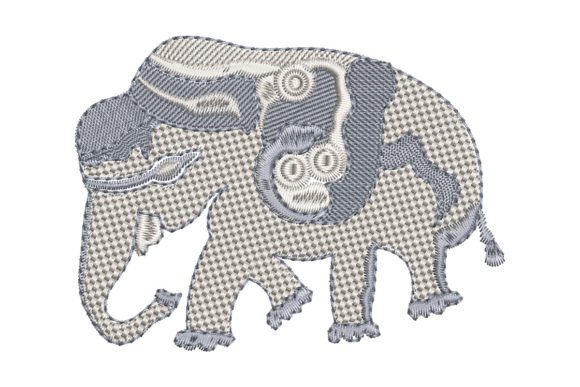
The initial visual impact of Robot Elephant is playful yet structured. Unlike standard organic animal designs, this machine embroidery design features clean lines and geometric accents that suggest a futuristic narrative. However, the core subject remains an elephant, a symbol often associated with memory, luck, and family bonds. This combination creates an emotional tone that is both nostalgic and forward-looking. It feels cozy enough for a nursery but cool enough for a teenager’s backpack. For holiday shoppers looking for something beyond the typical snowflake or reindeer, this design offers a fresh, unexpected alternative that stands out in a crowded marketplace.
In terms of decorative style, the design leans towards a modern, graphic look. It avoids excessive shading, which is crucial for maintaining clarity at smaller sizes. The detail level is balanced; there is enough intricacy to showcase the quality of your stitching, but not so much that it becomes a dense block of thread. This makes it versatile for various fabric texture types, from smooth cottons to textured towels.
Strategic Placement in Your Seasonal Collection
When planning a seasonal shop collection, versatility is key. I tested Robot Elephant across several product categories to determine its best use cases. Here is how it performs in real-world selling situations:
- Sweatshirt Embroidery: This is perhaps the strongest application. Placed on the left chest or as a larger back print, the design looks premium. The robotic elements pair beautifully with heather grey or navy fleece, creating a high-value small shop product that appeals to both kids and adults.
- Tote Bag Design: For eco-conscious holiday shoppers, a canvas tote featuring this elephant is a winner. The bold lines hold up well against the weave of canvas fabric, making it a durable and stylish accessory for gift-giving.
- Kitchen Towel Embroidery: While possible, this requires caution. The design’s complexity means you must use a high-quality cut-away stabilizer to prevent puckering on thin linen. If executed correctly, it makes for a charming housewarming or hostess gift.
- Pillow Cover and Home Decor: Centered on a square pillow, the symmetrical nature of the elephant creates a focal point. It works exceptionally well in nurseries or playrooms, fitting seamlessly into the Baby Animals category while adding a unique twist.
- Embroidered Patch: Because of its defined edges, this design is ideal for patches. You can sell these as add-ons for jackets or hats, increasing your average order value during the holiday rush.
Navigating Technical Challenges
While Robot Elephant is visually striking, it is not without its technical demands. As a professional, I must advise where to use this design carefully. First, consider the hoop size. If you are using a small 4x4 hoop, ensure that the design scales down without losing the definition of the robot’s features. Tiny details can merge if the scale is too small, resulting in a muddy appearance.
Second, be mindful of thread colors. The design likely relies on contrast to define the mechanical parts. On dark fabrics, you may need to adjust your color palette to ensure the lighter metallic or bright threads pop. Speaking of metallic thread, while it enhances the "robot" aspect, it can be brittle. If you choose to use metallics, slow down your machine speed and use a specialized needle to prevent breakage.
Additionally, avoid placing this design on highly stretchy garments like spandex blends unless you have extensive experience with stabilizing knits. The density of the stitches could cause the fabric to distort over time, especially after repeated washing. Always test stitch on a scrap piece of your actual production fabric before committing to a full batch of finished product inventory.
Boosting Seasonal Appeal and Buyer Emotion
Holiday shopping is driven by emotion and the desire for unique, meaningful gifts. Robot Elephant taps into the trend of personalized, quirky gifts that stand out from mass-produced items. For an Etsy seller, this design offers a narrative. You are not just selling an embroidered shirt; you are selling a "future-friendly" companion for a child or a quirky statement piece for a tech-loving friend.
This emotional connection increases product value. Customers are willing to pay more for items that feel custom and thoughtful. By incorporating this design into gift bundles—such as a matching set of a tote bag and a sweatshirt—you create a cohesive look that encourages larger purchases. Furthermore, the visual recognition of such a distinct character helps build brand consistency. If your shop specializes in unique, modern twists on classic motifs, Robot Elephant reinforces that identity.
Practical Notes for the Professional Embroiderer
Before you list this item in your holiday catalog, here are my essential recommendations for ensuring quality:
- Test Thread Colors: Stitch samples on both light and dark fabrics. What looks good on screen may need adjustment in thread choice to maintain contrast and visibility.
- Check Stitch Density: Review the digitizing to ensure the density is appropriate for your target fabrics. Too dense, and it will be stiff; too light, and the backing may show through.
- Confirm Hoop Size: Verify that the design fits comfortably within your standard hoops without requiring excessive re-hooping, which slows down production.
- Use Proper Stabilizer: Match your stabilizer to the fabric weight. A heavy cut-away is often best for apparel to support the weight of the design.
- Create Realistic Mockups: Use high-quality printable mockup images or photos of actual stitched samples for your online listings. Show the texture and sheen of the threads to build customer trust.
- Review Small Details: After stitching, inspect the fine lines of the robot’s features. Ensure there are no loose jumps or tangled threads that could detract from the professional look.
- Plan Matching Color Palettes: Develop a suggested color chart for your customers. Offering curated palettes can simplify the decision-making process for buyers and increase conversion rates.
- Confirm Commercial Licensing: Always verify the license terms of the digital embroidery file. Ensure you have the right to sell finished products made with this design, especially during high-volume seasons.
Final Verdict for Holiday Sellers
In the competitive landscape of commercial embroidery, standing out requires designs that are both technically sound and emotionally resonant. Robot Elephant succeeds on both fronts. It is a versatile, engaging design that fits well within the Baby Animals niche while appealing to a broader, modern audience. Whether used for a personalized gift, a festive home decor item, or a trendy apparel piece, it has the potential to become a bestseller in your holiday lineup.
By paying attention to the technical details and leveraging the design’s unique aesthetic, you can create products that not only look great but also tell a story. This is what turns casual browsers into loyal customers. As you prepare your seasonal offerings, consider adding Robot Elephant to your rotation. It is a smart, stylish choice that brings personality to every stitch, ensuring your handmade creations remain memorable long after the holidays have passed.