Paper Plane: A Designer’s Review for Boutique Apparel
As an embroidery designer who spends countless hours digitizing and testing patterns, I am always on the lookout for designs that bridge the gap between whimsical charm and professional finish. When I stumbled upon Paper Plane in the Toys category on Creative Fabrica, my immediate instinct was to look past its playful origins and evaluate its potential for modern boutique apparel. The product description promises to embellish fabrics with a touch of whimsy, suggesting it is suitable for towels and home decor. However, for those of us running small clothing brands or Etsy shops, the real question is always: how does this translate to wearable art?
In this review, I am breaking down Paper Plane from the perspective of a creator preparing a new sweatshirt and hoodie collection. I will explore its visual personality, placement strategies, and the technical considerations necessary to ensure your finished product looks premium rather than amateur.
Visual Personality and Stitching Mood
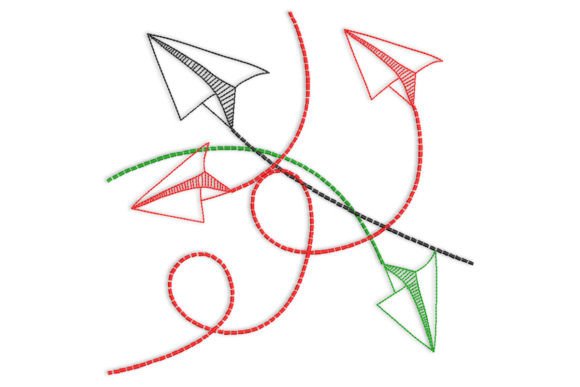
The first impression of the Paper Plane machine embroidery design is one of lightness and nostalgia. It captures a simple, universal symbol of childhood imagination. Visually, the design feels minimal yet expressive. It does not rely on heavy saturation or complex shading, which is a significant advantage for apparel. Heavy designs can weigh down lightweight fabrics, but this motif appears balanced enough to sit comfortably on various textiles without causing puckering, provided the correct stabilizer is used.
The mood is undeniably playful, yet it possesses a clean aesthetic that allows it to feel trendy rather than strictly juvenile. For a boutique brand, this versatility is crucial. It can appeal to young adults seeking a retro vibe just as easily as it appeals to parents looking for cute children’s wear. The stitch definition seems clear, offering a decorative strength that stands out without overwhelming the garment. Whether you interpret it as feminine, rustic, or simply classic, the design maintains a cohesive identity that supports strong brand recognition.
Strategic Placement for Sweatshirts and Hoodies
When planning a collection, placement is everything. I envision Paper Plane working exceptionally well in several key areas on custom apparel. For a standard crewneck sweatshirt, a small chest placement on the left side offers a subtle, sophisticated look. This "pocket logo" style is currently very popular in streetwear and minimalist fashion. It allows the embroidery file to act as a signature mark rather than a loud graphic, enhancing the perceived value of the piece.
For oversized hoodies, consider placing the design slightly larger on the upper back, just below the collar. This creates a striking silhouette when the wearer is seen from behind. Alternatively, using the design as a sleeve accent on the cuff or upper arm can add a unique detail that encourages customers to share lifestyle product photos on social media. These unconventional placements help your small shop product stand out in a crowded market.
If you are working with darker garments, such as navy or charcoal fleece, the contrast becomes a major design element. You will need to carefully select thread colors that pop against the background. White, cream, or pastel threads can create a crisp, clean look, while metallic threads might add a touch of luxury. Always test your thread color contrast on scrap fabric before committing to the final piece.
Versatility Beyond Apparel
While my primary focus is apparel, the versatility of this Embroidery product extends to other merchandise lines. Tote bags are a natural companion to sweatshirt collections. Stitching Paper Plane on a canvas tote creates a cohesive lifestyle brand image. The durability of the stitch density should hold up well to the weight of books or groceries, making it a practical and charming accessory.
For digital sellers and creative entrepreneurs, this design is also excellent for creating printable mockups. High-quality images of the embroidered design on neutral backgrounds can be used for Etsy listings and social media graphics long before you produce physical inventory. This allows you to gauge customer engagement and refine your marketing strategy with minimal upfront cost.
Technical Considerations for Professional Results
To ensure your commercial embroidery products meet professional standards, you must address several technical factors. First, always check the specific file formats included in the download. The product description mentions it comes with multiple formats, but you must confirm compatibility with your specific embroidery machine. Never assume; always verify the digital embroidery file details on the Creative Fabrica product page.
Stabilizer choice is critical, especially when working with stretchy fabrics like fleece or ribbed cuffs. A cut-away stabilizer is generally recommended for knit fabrics to prevent distortion over time. For woven materials like denim jackets or tote bags, a tear-away might suffice, but testing is essential. Inspect the stitch density closely. If the design is too dense for a lightweight t-shirt, it may cause the fabric to pucker. In such cases, using a water-soluble topping can help keep the stitches flat and smooth.
Hoop size is another factor to confirm. Ensure the design fits within your standard hoops without requiring excessive re-hooping, which can lead to alignment issues. If you are planning to use this on curved surfaces, such as the sleeve of a hoodie, take extra care to stabilize the area properly to avoid wrinkles during stitching.
Enhancing Brand Identity and Value
Incorporating a well-chosen design like Paper Plane can significantly affect your brand identity. It signals attention to detail and a commitment to quality. Customers often associate intricate or well-placed embroidery with higher value items. By maintaining visual consistency across your collection—using the same design motif on sweatshirts, totes, and perhaps even packaging—you build trust and product recognition.
For handmade product sellers, the story behind the design matters. The whimsical nature of a paper plane evokes feelings of freedom and creativity. Use this narrative in your product descriptions to connect emotionally with buyers. Explain why you chose this design and how it reflects the spirit of your boutique brand. This approach transforms a simple transaction into a meaningful exchange, fostering customer loyalty.
Final Designer Notes
Before launching your collection, adhere to these practical steps. First, stitch out samples on the exact fabric types you intend to use. Fabric texture plays a huge role in the final appearance. Second, review the licensing terms on Creative Fabrica. Ensure you have the right to sell finished apparel commercially. Most designs on the platform allow this, but it is vital to read the specific license associated with your purchase.
Finally, compare placement options on different body types if possible. What looks good on a mannequin might sit differently on a person. Take photos of your samples in natural light to assess the true color and texture. By treating Paper Plane with the rigor of a professional production run, you elevate it from a simple toy-themed motif to a cornerstone of a stylish, marketable apparel line.
In conclusion, this machine embroidery design offers a delightful blend of charm and versatility. With careful attention to stabilizer, thread choice, and placement, it can become a standout element in your next boutique collection. Happy stitching!