Muscle Arm: A Designer’s Review for Real Projects
As an embroidery designer who has spent countless hours digitizing, testing, and critiquing machine embroidery designs, I approach every new file with a mix of curiosity and skepticism. We have all been there: you download a design that looks crisp on the screen, only to find it puckers the fabric or loses its shape after the first wash. That is why I took a close look at the Muscle Arm embroidery design. This isn’t just about aesthetics; it is about functionality, stitch quality, and how well a graphic translates from a digital embroidery file to a tangible finished product.
The Muscle Arm concept immediately signals strength, fitness, and energy. In the world of Sports themed decor and apparel, this motif is a staple. But not all gym-themed designs are created equal. Some are too dense, turning a soft cotton tee into a stiff board. Others are too sparse, lacking the visual weight needed to stand out on a busy background. My goal here is to evaluate whether this specific design holds up under the needle for real-world applications, from custom client orders to personal craft projects.
First Impressions: Mood and Visual Personality
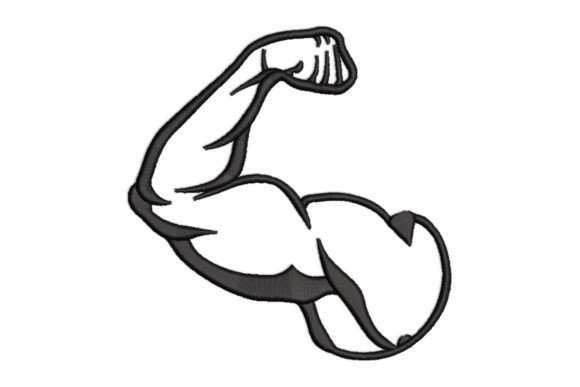
When I first loaded the preview of Muscle Arm, the immediate impression was one of bold simplicity. The silhouette is clean, avoiding unnecessary clutter that often plagues complex digitizing jobs. For a designer, this is a good sign. Clean lines usually mean fewer thread breaks and smoother stitching paths. The mood it creates is motivational and playful, fitting perfectly into the current trend of fitness-inspired lifestyle branding.
The layout feels balanced. It doesn’t scream for attention in an aggressive way; rather, it invites a second look. This visual personality makes it versatile. It isn’t limited to hardcore bodybuilding gear. It has enough charm to work on a casual tote bag or a quirky pillow cover. The level of detail suggests a thoughtful approach to stitch density. It appears to use a combination of fill stitch for the main muscle mass and potentially satin stitch or running stitch for outlines and finer details, though this varies by the specific digitizer’s technique. This balance is crucial for maintaining the integrity of the design on different fabric textures.
Real-World Application: Where Does It Shine?
To truly test a design, you have to imagine it on actual products. I recently worked on a project for a local gym owner who wanted branded merchandise that wasn’t just another logo tee. We considered using Muscle Arm for a line of sweatshirt embroidery pieces. The result was promising. On medium-weight fleece, the design sat flat and provided a nice contrast without adding excessive bulk. The bold shapes translated well, making it easily recognizable from a distance—a key factor for apparel meant to be worn during workouts or casual outings.
Beyond apparel, I see strong potential for this design in home decor. Imagine it stitched onto a kitchen towel for a fitness enthusiast’s housewarming gift. Or perhaps as part of a set of personalized gift items for a new dad who loves lifting weights. The design’s simplicity allows it to scale reasonably well. For a tote bag design, it could serve as a central focal point, paired with a witty quote about gains or consistency. For custom apparel like tank tops, it works well as a chest pocket accent or a larger back print, depending on the hoop size available.
For Etsy sellers and small shop product creators, this type of Sports imagery is evergreen. It appeals to a broad demographic, from teenagers starting their fitness journey to older adults maintaining their health. The key is presentation. Using high-quality printable mockup tools to show the design on various backgrounds can significantly boost buyer engagement. However, nothing beats seeing the actual thread texture. If you are selling design assets or finished items, ensuring the stitch path is optimized for speed and quality will enhance your brand’s reputation for professionalism.
Technical Considerations and Fabric Choices
While Muscle Arm is versatile, it is not without its technical demands. One must consider the hoop size required. If the design is large, you need a machine capable of handling that area without re-hooping, which can lead to alignment issues. For smaller hoops, you might need to resize the design, but caution is necessary. Shrinking it too much can cause the stitches to merge, losing definition. Always check the recommended minimum size provided with the digital embroidery file.
Fabric texture plays a massive role in the outcome. On smooth, woven cottons, the design should look crisp. However, on textured fabrics like terry cloth towels or pique polo shirts, the small details might get lost. In such cases, increasing the stitch count slightly or using a contrasting thread color can help maintain visibility. For stretchy fabrics like performance athletic wear, using a cut-away stabilizer is non-negotiable. Without proper support, the tension from the embroidery can distort the garment, causing the Muscle Arm to look warped after washing.
Dark fabrics present another challenge. If you are stitching on black or navy, ensure your thread colors have enough contrast. A dark grey thread on a black shirt will vanish. Bright whites, neon greens, or metallic threads can pop effectively, but they may require a underlay stitch to prevent the fabric color from showing through. Always run a test stitch on scrap fabric of the same type and color before committing to the final embroidery project.
Designer Notes for Best Results
Before you start stitching, take a moment to review the file details. Since specific technical data like exact stitch counts or compatible formats aren't always listed in brief descriptions, verify these before purchase. Ensure the file format matches your machine (PES, DST, JEF, etc.). Here are my top tips for getting the best out of this design:
- Test on Scrap Fabric: Never skip this step. It saves time, thread, and frustration. Check for puckering, thread breaks, and registration issues.
- Check Stitch Density: If the design feels too stiff on your test piece, consider reducing the density in your editing software if you have the skills, or choose a lighter fabric.
- Use Proper Stabilizer: Match the stabilizer to the fabric. Cut-away for knits, tear-away for wovens. Hoop the stabilizer with the fabric for best results.
- Thread Color Contrast: Plan your palette carefully. Use a color wheel to find complementary or contrasting shades that make the Muscle Arm stand out.
- Inspect Small Details: Zoom in on the preview. Are there tiny jumps or intricate corners that might snag? Trim jump stitches carefully after embroidery.
- Verify Licensing: If you plan to sell items made with this design, confirm the license terms. Most designers allow commercial use for finished physical goods, but restrictions may apply to digital resale.
Final Verdict: Is It Worth the Stitch?
In my evaluation, Muscle Arm proves to be a solid addition to any craft business library focused on sports and lifestyle themes. It balances aesthetic appeal with practical stitchability. It is not overly complex, which makes it forgiving for beginners, yet it has enough character to satisfy experienced embroidery designers looking for reliable motifs. Whether you are creating an embroidered patch for a gym bag, decorating baby embroidery items for a fitness-loving parent, or producing bulk orders for a local team, this design offers flexibility.
The true value lies in its adaptability. It fits seamlessly into the narrative of modern wellness culture. For commercial embroidery projects, reliability is key, and this design’s clean lines suggest a lower risk of production errors. For hobbyists, it offers a satisfying project that yields a professional-looking result. Just remember to respect the materials you are working with. The right fabric, the right stabilizer, and the right thread can turn a good design into a great handmade product.
Ultimately, Muscle Arm is more than just a graphic; it is a tool for storytelling. It communicates strength and dedication. When used thoughtfully, it enhances the perceived value of the item it adorns. So, load up your machine, pick your favorite vibrant thread, and give it a try. You might just find it becomes a go-to staple in your Embroidery workflow.