Houseplant Embroidery: A Seasonal Design Review
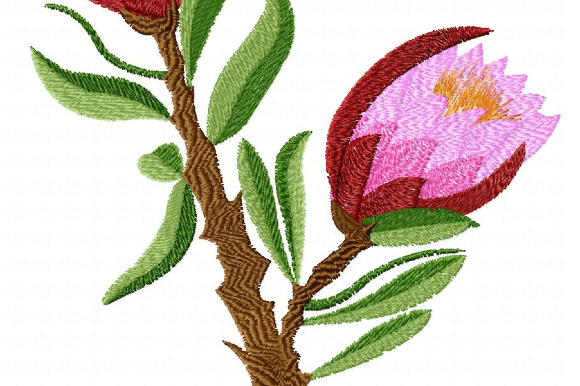
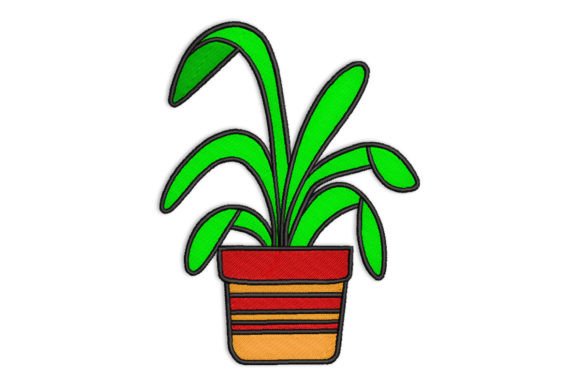
As an embroidery designer who spends countless hours digitizing and testing patterns for seasonal collections, I approach every new machine embroidery design with a critical eye. It is not just about whether the stitches look good on my test fabric; it is about how that design will perform in the hands of an Etsy seller or a small business owner preparing for the holiday rush. Recently, I reviewed the Houseplant design, a charming addition to the Single Flowers category, and I am eager to share my practical insights on how this piece can elevate your seasonal product lineup.
First Impressions: Whimsy Meets Home Comfort
The moment I loaded the digital embroidery file for Houseplant, the immediate impression was one of grounded whimsy. In a market often saturated with overtly festive icons like snowflakes or pumpkins, there is a growing demand for designs that evoke a sense of cozy, everyday life. This design captures that "hygge" aesthetic perfectly. It feels rustic yet modern, making it versatile enough for both autumn harvest themes and spring renewal collections.
The detail level is balanced. It is intricate enough to show craftsmanship but not so dense that it becomes stiff or overwhelming on smaller items. For creators looking to add a touch of charm to home decor, this design offers a decorative style that feels personal and heartfelt. It does not scream for attention; instead, it invites the viewer to appreciate the subtle artistry, which is exactly what buyers look for in a high-quality handmade gift.
Strategic Placement for Holiday Sales
When planning a seasonal shop collection, versatility is key. The Houseplant design shines when applied to a variety of substrates. Here is how I envision this design performing in real-world selling situations:
- Kitchen Towels and Aprons: This is perhaps the most natural fit. The organic nature of the plant motif complements the fabric texture of linen or cotton towels. For holiday hosting, these make excellent hostess gifts. Ensure you use a cut-away stabilizer if the towel is thin, to prevent puckering during washing.
- Tote Bag Design: Canvas totes are perennial bestsellers. Placing the Houseplant design centrally or in the corner creates a stylish, eco-friendly vibe. This works particularly well for back-to-school seasons or Earth Day promotions, extending its relevance beyond traditional winter holidays.
- Sweatshirt Embroidery: For a premium feel, consider placing this design on the left chest of a high-quality crewneck. It serves as a subtle brand marker or a standalone artistic statement. Avoid placing it too low on bulky garments where it might get lost in the folds.
- Pillow Cover Accents: A single floral element on a neutral pillow cover adds sophistication. This appeals to customers updating their living rooms for the season without committing to loud, temporary decor.
- Embroidered Patch: If your equipment allows, stitching this onto twill backing creates a versatile patch. Customers love patches because they can customize their own jackets or bags later, increasing the perceived value of the finished product.
Navigating Technical Challenges
While the aesthetic appeal of Houseplant is strong, successful execution requires attention to technical details. As experienced crafters know, a beautiful embroidery file can fail if the production variables are ignored. Here are specific areas where caution is advised:
Hoop Size and Scaling: Before scaling the design down for tiny items like baby onesies or ornaments, check the original dimensions. If the design includes fine lines or small leaves, shrinking it too much may cause the stitches to merge, losing definition. Always review the smallest details after a test stitch. If the provided description mentions specific hoop compatibility, adhere to it strictly. If not, test on your smallest hoop to ensure the design remains crisp.
Fabric and Thread Interaction: Dark fabrics can be tricky. If you are stitching on navy or black fleece, ensure your thread colors have enough contrast. Metallic threads can add a festive sparkle for holiday editions, but they are prone to breaking. If using metallics, slow down your machine speed and use a larger needle eye. For stretchy garments like t-shirts or caps, proper stabilization is non-negotiable to prevent distortion.
Stitch Density: Although exact stitch counts are not provided in the brief description, visually assess the density. High-density areas on thick towels can create a hard, cardboard-like feel. If the design feels stiff on your test run, consider using a lighter weight stabilizer or adjusting your tension settings. The goal is a soft hand-feel, especially for items like pillows and towels that require tactile comfort.
Boosting Seasonal Appeal and Brand Trust
In the competitive landscape of online handmade sales, visual recognition drives clicks. The Houseplant design contributes to brand consistency by offering a cohesive look across different product types. Imagine an Etsy listing featuring a matching set: a kitchen towel, a tote bag, and a pillow cover, all adorned with the same elegant botanical motif. This bundling strategy increases average order value and presents your shop as professional and curated.
Furthermore, this design supports the creation of realistic mockups. Because the shape is recognizable and distinct, it photographs well for printable mockup graphics used in social media previews. High-quality images of the stitched design on textured fabrics build customer trust. Buyers want to see how the thread sits on the fabric, ensuring that the commercial embroidery they are purchasing meets their quality expectations.
Practical Designer Notes for Implementation
To maximize the potential of the Houseplant design in your seasonal lineup, follow these actionable steps:
- Test on Multiple Fabrics: Do not rely on a single test piece. Stitch the design on a light cotton, a dark fleece, and a textured linen. This will reveal how the thread colors interact with different backgrounds and help you advise customers on care instructions.
- Verify Licensing: Before selling any finished product, confirm the commercial licensing terms of the digital file. Ensure you have the right to sell physical items made with this design, especially if you are producing large batches for holiday fairs.
- Create Color Variations: While the default colors may be green and brown, consider experimenting with seasonal palettes. Autumnal oranges and deep reds can transform the same design into a fall-specific item, while pastels can pivot it for spring. This maximizes the utility of a single purchase.
- Highlight the "Handmade" Aspect: In your product descriptions, emphasize the care taken in stitching. Mention the type of stabilizer used and the quality of thread. Educated buyers appreciate these details, which justify a higher price point for your personalized gift items.
In conclusion, the Houseplant embroidery design is a robust tool for creators aiming to diversify their seasonal offerings. It bridges the gap between simple decoration and meaningful art, suitable for everything from kitchen towel embroidery to upscale apparel. By paying attention to hoop size, stabilizer choice, and fabric compatibility, you can ensure that every stitch contributes to a premium customer experience. Whether you are a seasoned Etsy seller or a hobbyist looking to create thoughtful gifts, this design offers the whimsy and charm necessary to stand out in a crowded marketplace.