Bah Hum Bug Embroidery Design Review
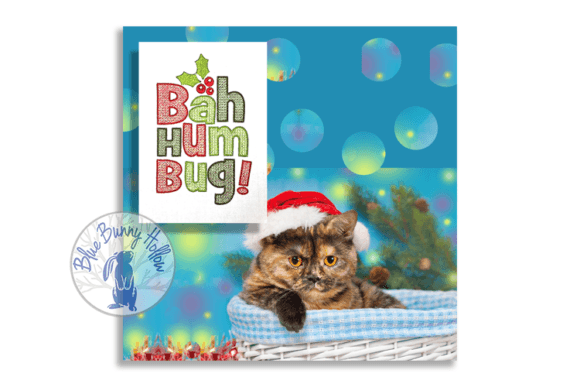
As an embroidery designer who has spent years digitizing and testing files for commercial use, I approach every new machine embroidery design with a critical eye. It is not just about whether a motif looks cute on a screen; it is about how it performs on fabric, how it holds up in the wash, and ultimately, how it serves the brand identity of the small business owner purchasing it. Recently, I had the opportunity to review the Bah Hum Bug design, a festive piece that promises to blend holiday spirit with a mischievous twist. For boutique owners, Etsy sellers, and apparel decorators looking to expand their seasonal offerings, this design presents both exciting opportunities and specific technical considerations.
First Impressions: A Playful Twist on Tradition
The immediate visual impact of Bah Hum Bug is one of playful irreverence. In a market saturated with traditional snowflakes and serene nativity scenes, this design stands out by leaning into the humorous side of the season. The description highlights a "glitzy touch of Mylar," which suggests a high-shine, metallic finish that catches the light. From a branding perspective, this is crucial. It signals to customers that the brand behind the merchandise is fun, approachable, and willing to break the mold. It feels less like a stiff corporate uniform element and more like a conversation starter for handmade product lines.
For creative studios, bakeries, or local boutiques, this aesthetic aligns perfectly with a modern, whimsical brand voice. It is not overly rustic or strictly elegant; rather, it occupies a sweet spot of decorative charm that appeals to buyers looking for unique small business merch. The inclusion of Mylar indicates a premium finish, elevating the perceived value of the finished product beyond standard thread work.
Real-World Applications for Small Business Merchandise
When evaluating a digital embroidery file for commercial use, versatility is key. Here is how Bah Hum Bug performs across various common merchandise items:
- Embroidered Patches: This is arguably the strongest application for this design. A patch allows for controlled hoop stability and can be sewn onto jackets, beanies, or tote bags after production. The shiny Mylar elements will pop against matte fabrics, making the patch a standout accessory for holiday gift guides.
- Apron Embroidery: For bakeries, florists, or coffee shops, staff aprons are walking billboards. Placing Bah Hum Bug on the chest pocket or lower corner of a canvas apron adds personality to the uniform without overwhelming the professional look. It creates a friendly atmosphere that encourages customer interaction.
- Cap Embroidery: Front-panel caps are a staple of promotional merchandise. However, curved surfaces require careful digitizing. If the design is compact, it works well as a center-front accent. The metallic thread can reflect sunlight, increasing visibility and brand recognition for outdoor events or markets.
- Tote Bag Design: Canvas totes are popular for retail packaging and reusable shopping bags. The contrast between the glitzy design and the natural texture of canvas creates a tactile experience that customers love. It transforms a simple bag into a keepsake item.
- Custom Apparel: Whether on sweatshirts or t-shirts, this design serves as an excellent chest logo accent or sleeve detail. It is particularly effective for limited-edition holiday drops, creating urgency and exclusivity around your custom apparel line.
Technical Considerations and Production Challenges
While the aesthetic appeal is strong, any experienced embroiderer knows that beauty must be balanced with technical feasibility. There are specific areas where Bah Hum Bug requires careful handling to ensure a professional result.
Stitch Density and Fabric Texture: The mention of Mylar implies additional layers or specialized threading techniques. High stitch density can cause puckering, especially on lighter fabrics like cotton tees or linen tote bags. It is essential to test the stitch density on your specific material. If the design is dense, you must use a cut-away stabilizer rather than tear-away to maintain structural integrity. On textured fabrics, such as terry cloth towels or fuzzy fleece, the fine details might get lost. In these cases, consider using an underlay stitch strategy that lifts the top threads slightly above the fabric pile.
Small Patch Sizes and Detail: If you plan to scale this down for small lapel pins or tiny pocket logos, be wary of losing definition. Tiny lettering or intricate outlines can merge together if the design is reduced too much. Always run a test stitch-out at the intended size before committing to a full production run. If the details blur, the design may need to be simplified or enlarged.
Thread Colors and Contrast: The success of this design relies heavily on contrast. The "shiny" element needs a dark or solid background to stand out. On dark uniforms, ensure you are using bright, high-visibility thread colors for the non-metallic parts. Test it in black and white first to check the value contrast; if the design looks muddy in grayscale, it will lack impact in color.
Enhancing Brand Identity and Customer Trust
Consistency in design assets builds trust. When a customer sees the same high-quality Bah Hum Bug motif on your packaging, your staff uniforms, and your social media printable mockup, it reinforces brand recognition. Professionalism in embroidery is not just about neat stitches; it is about thoughtful placement and appropriate scaling. A well-executed embroidered patch on a product label suggests attention to detail, which translates to perceived higher quality in the core product itself.
For handmade brands, this design offers a way to differentiate from mass-produced competitors. The unique combination of humor and sparkle creates an emotional connection with the buyer. It shows that the brand has personality. This engagement is vital for Etsy sellers and craft businesses where storytelling drives sales. By using this design strategically, you are not just selling an item; you are selling a moment of holiday joy.
Practical Designer Notes for Production
Before launching this design into your commercial workflow, adhere to these best practices:
- Check Licensing: Confirm the commercial licensing terms of the digital embroidery file. Ensure you have the right to sell physical products featuring this design.
- Verify File Specifications: The product description does not list exact stitch counts or recommended hoop sizes. Check the file metadata or contact the creator to confirm the optimal hoop size. This prevents mid-production errors when switching between machines.
- Stabilizer Selection: Due to the potential weight of metallic threads or Mylar, use a medium-to-heavy weight stabilizer. Test on scrap fabric identical to your production material.
- Create Mockups: Before stitching, create a digital printable mockup to show clients or visualize placement. This helps in deciding whether the design works better on a cap front or a tote side.
- Quality Control: Inspect the back of the embroidery. Trimming jump stitches and ensuring clean bobbin work is essential for items that will be washed frequently, such as aprons and uniforms.
In conclusion, Bah Hum Bug is a versatile and engaging addition to a holiday collection. It bridges the gap between traditional Christmas themes and modern, playful branding. By paying attention to technical details like stabilizer choice, fabric texture, and scale, small business owners can leverage this design to create memorable, high-value merchandise that stands out in a crowded market.